
Absentee Owners
An Absentee Owner owns a property but doesn't live there. This term usually refers to owners of vacant properties, not just landlords or rental owners.
Cold calling is not dead.
But many real estate agents struggle with it because they focus on the wrong problem.
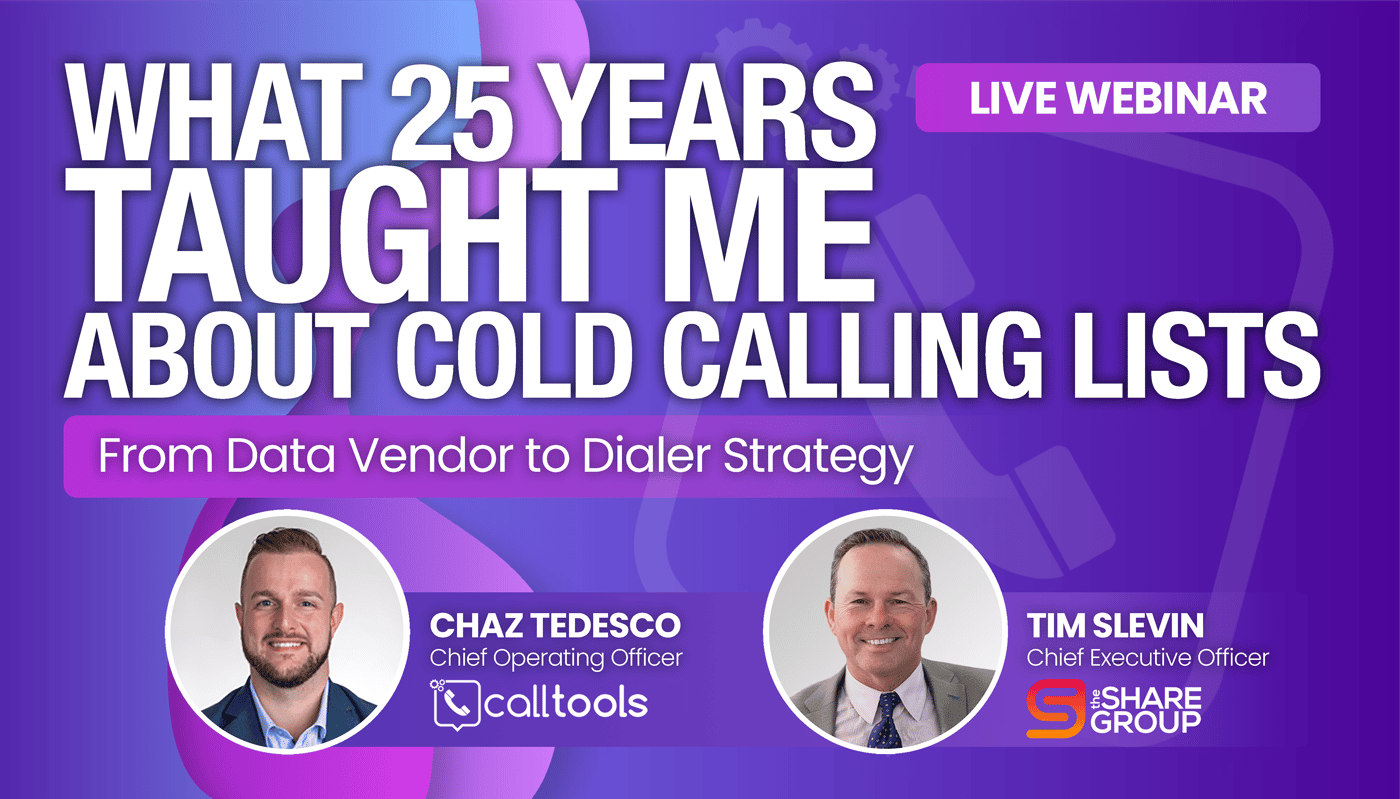
According to Tim Slevin, CEO of The Share Group, most agents who think cold calling does not work are actually dealing with something else entirely.
They do not have a dialing problem.
They have a data problem.
In a recent webinar with Chaz Tedesco from CallTools, Tim shared the lessons he has learned after decades working in data analytics and lead generation. The discussion covered how agents should evaluate cold calling lists, how to test data properly, and why most buyers ask the wrong questions before purchasing leads.
If you rely on outbound prospecting to find listings, these insights can dramatically change how you think about lead data.
Most agents start the process the same way.
They search Google for something like:
“real estate seller leads”
“cold calling lists for agents”
“listing leads”
Immediately, they are flooded with dozens of companies promising leads.
At that point, many agents compare only two things:
That is where the problem begins.
A cheaper list or a larger list does not necessarily produce better results. In fact, focusing on those two metrics alone often leads agents to choose vendors that generate more frustration than opportunities.
The better approach is to evaluate data quality, service quality, and how the vendor helps you succeed after the purchase.
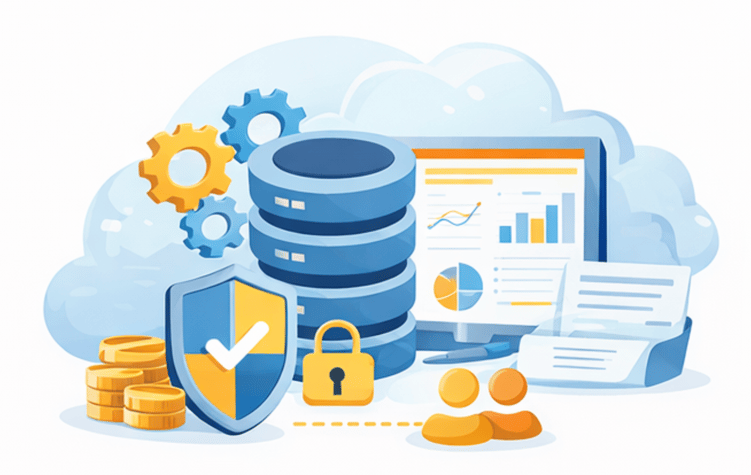
One of Tim’s simplest filters is surprisingly effective.
Look closely at the vendor’s sales process.
If the buying experience feels sloppy, vague, or disorganized, there is a good chance the product behind it operates the same way.
Ask yourself:
A strong data partner should feel like a consultant, not just someone pushing a file of names across the table.
Not all lead data is created the same way.
In the webinar, Tim explained the difference between public data and proprietary data, which many agents overlook.
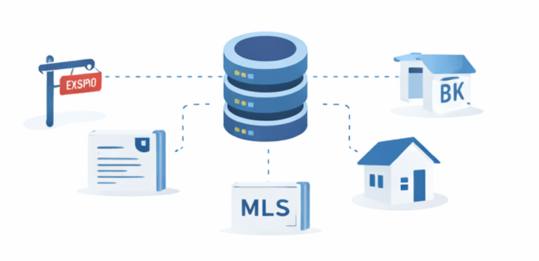
Public data comes from sources that are widely available, such as:
Many companies package this information and sell it as lead lists.
There is nothing inherently wrong with that, but it means multiple vendors may be selling similar information.
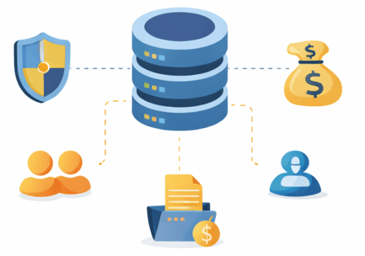
Proprietary data adds intelligence on top of those raw sources.
This can include modeled segments such as:
These lists use data science to identify homeowners more likely to list their property, which can create stronger opportunities when prospecting.
Understanding which type of data you are buying helps set the right expectations.
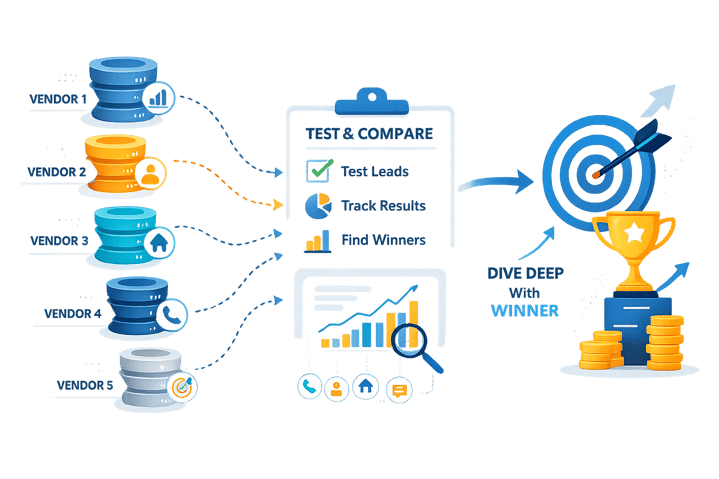
One of the biggest mistakes agents make is testing lists incorrectly.
Many agents purchase a small batch of leads, make a handful of calls, and immediately decide the data is bad.
That is not a real test.
According to Tim, a proper evaluation should include:
That means a real test could involve 2,000 to 3,000 dials.
Why so many?
Because the opportunity is not always in the first few calls. Listing conversations often appear later in the dialing process.
Agents who stop early rarely get an accurate picture of the data.
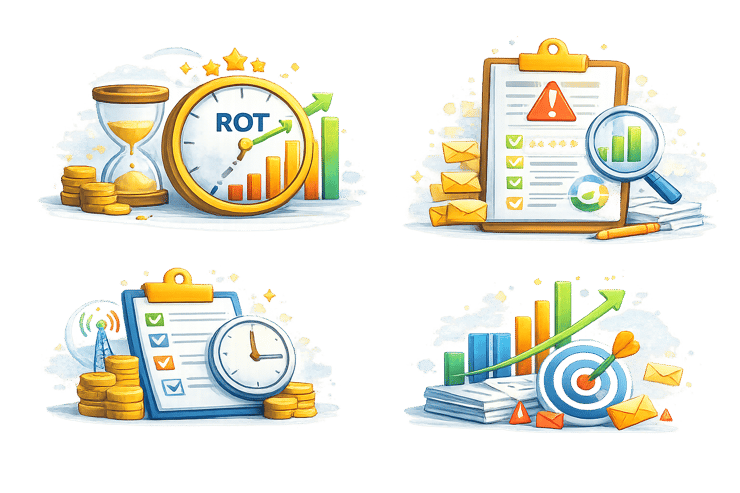
During the webinar, Tim emphasized a concept that many agents overlook.
Return on time matters more than cost per lead.
Data itself is relatively inexpensive. The real investment is your prospecting time.
If stronger data allows you to:
Then the data is doing its job.
A cheap list that wastes hours dialing disconnected numbers is actually far more expensive than a slightly higher-priced list that produces meaningful conversations.
Another important point discussed in the webinar is that lead results are influenced by several factors, not just the list itself.
These include:
For example, modern telecom rules such as STIR/SHAKEN caller authentication can affect whether your calls are flagged as spam.
If your phone numbers are being labeled incorrectly, your connect rate may drop even if your data is strong.
That is why evaluating your technology stack is just as important as evaluating the data.
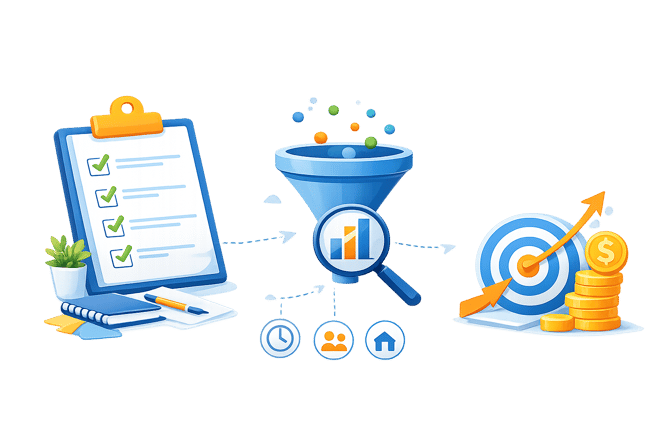
Top agents do not rely on guesswork when evaluating lead sources.
Instead, they track key metrics throughout the prospecting process.
Typical performance tracking includes:
This funnel helps agents identify which lead sources produce the strongest results.
Without this visibility, it becomes difficult to know whether a problem comes from the list, the process, or the execution.

Data changes constantly.
Homeowners move, phone numbers change, and new sellers enter the market.
Tim explained that lead data typically decays about 1 to 2 percent per month.
That means older lists gradually become less accurate over time.
A good rule of thumb is:
Regular updates ensure you are always working with fresh prospects instead of outdated records.

Many agents ask questions that do not actually reveal much about the quality of the data.
Instead of asking:
Try asking questions that provide deeper insight.
For example:
These questions reveal far more about how a vendor operates and whether their data fits your strategy.
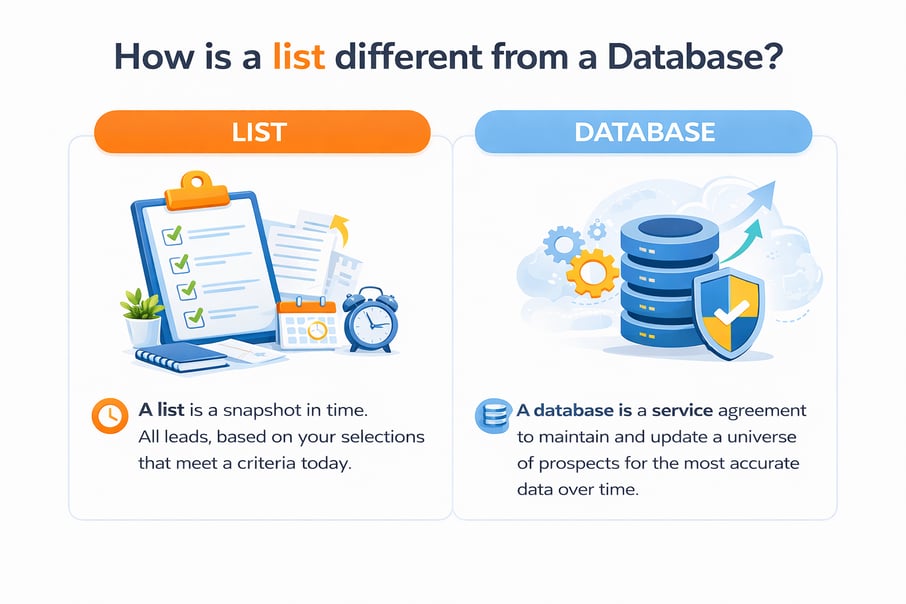
Another key takeaway from the webinar was the difference between a list mindset and a database mindset.
A list mindset looks like this:
“Give me 1,000 names and I’ll call them.”
A database mindset is more strategic.
Agents identify a core group of prospects and maintain that universe over time with updated data.
Benefits include:
This approach turns cold calling from a one-time activity into a predictable lead generation system.
One of the biggest changes affecting cold calling today has nothing to do with real estate. It comes from the telecommunications industry.
It’s called STIR/SHAKEN.
STIR/SHAKEN is a caller ID authentication framework used by U.S. phone carriers. It was created to reduce robocalls and prevent caller ID spoofing, and it is now required by the FCC for telecom providers.
When a call is made, the carrier assigns the call an attestation level, which signals how trustworthy the call appears to be.
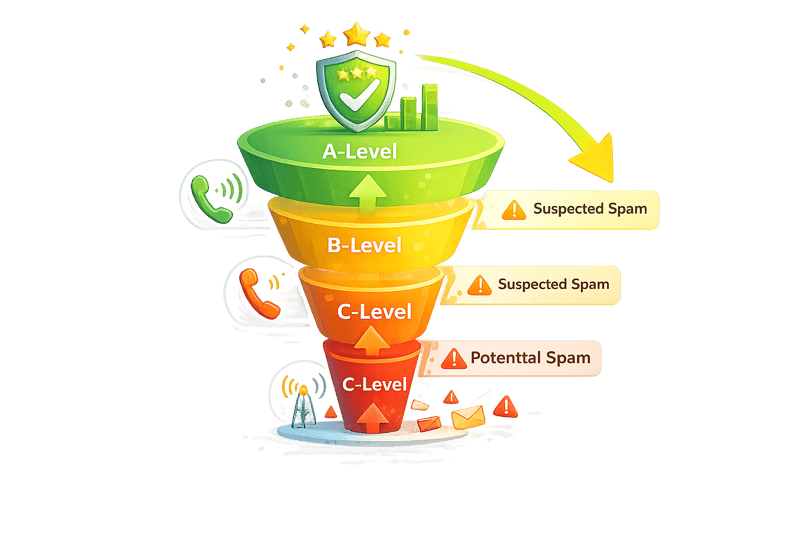
A-Level (Full Attestation)
The carrier knows the caller and confirms the phone number belongs to them. These calls are considered the most trustworthy and are the least likely to be flagged as spam.
B-Level (Partial Attestation)
The carrier knows the caller but cannot fully verify ownership of the phone number. These calls may still go through normally but have a higher chance of being flagged.
C-Level (Gateway Attestation)
The call entered the network from another provider and the caller cannot be verified. These calls are much more likely to trigger spam warnings or call blocking.
For real estate agents using dialers or outbound calling systems, this matters because low trust levels can dramatically reduce connect rates, even when the underlying lead data is good.
In other words, sometimes the issue is not the list.
It is the phone number reputation and call authentication.
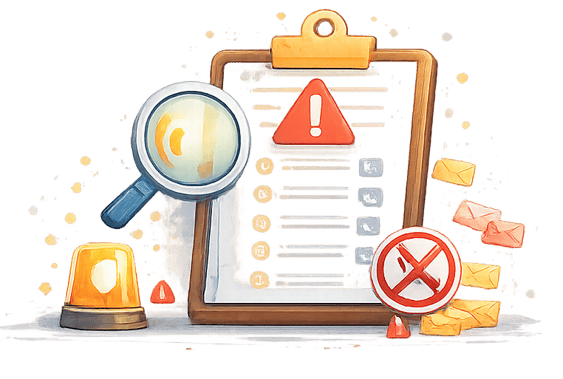
Another issue that impacts outbound prospecting is spam labeling.
Even if your calls are legitimate, analytics companies monitor calling patterns and assign reputation scores to phone numbers. These scores can determine whether a call appears normally, shows a spam warning, or gets blocked entirely.
Several factors can cause a number to be flagged.
High call volume
Numbers that make a large number of outbound calls in a short period of time are more likely to trigger spam detection systems.
Short call durations
If many calls end quickly, algorithms may assume the calls are robocalls or telemarketing spam.
Large number of unique recipients
Calling many different numbers within a short time frame increases the likelihood of being flagged.
Consumer spam reports
If recipients mark a number as spam on their phones, those reports feed into reputation databases used by carriers.
Call blocking apps and analytics providers
Third-party services also contribute to spam detection and labeling.
If your connect rates suddenly drop, it may be worth checking your number reputation.
Several services allow you to check whether your numbers have been flagged.
Registering your numbers and monitoring their reputation can help improve deliverability and ensure your calls appear legitimate to carriers.
For agents using dialers or outbound calling systems, maintaining healthy phone number reputation can be just as important as having high-quality lead data.
When agents experience poor connect rates, the instinct is often to blame the lead list.
But as the webinar explained, several variables affect cold calling success:
If any of those elements break down, connect rates and conversations will suffer.
The most successful outbound prospectors monitor all of these factors together, ensuring that data, dialing technology, and phone reputation are working in sync.
The purpose of lead data is not to guarantee instant listings.
Instead, it helps agents identify homeowners who may be more likely to sell and start conversations earlier than competitors.
When used correctly, strong data can help agents:
That is why the most successful agents treat data as one component of a larger prospecting system, not a magic solution.
Cold calling continues to be one of the most powerful ways for real estate agents to generate listings.
But success depends heavily on how you evaluate and use your data.
The agents who get the best results typically:
When those pieces come together, lead data becomes a reliable engine for listing opportunities.
And as Tim Slevin summarized in the webinar:
Better data leads to better conversations.
A meaningful test usually requires around 1,000 records and multiple call attempts. Smaller tests often produce misleading results.
Many agents work a list for 3 to 6 months before drawing conclusions, since listings may take time to surface.
Most experts recommend updating lists every 3 to 6 months to keep phone numbers and homeowner information accurate.
Generally no. Phone numbers and homeowner records exist in many databases. The real value comes from how the data is filtered, modeled, and maintained.
The most common mistake is testing too few leads and quitting too early. A proper evaluation requires meaningful dialing volume and consistent tracking.
STIR/SHAKEN is a caller ID authentication framework used by U.S. phone carriers to verify that a call is coming from a legitimate source. It helps prevent spoofed caller IDs and robocalls. Calls receive an attestation level that signals how trustworthy the call appears to carriers and mobile devices.
Calls may be labeled as spam when analytics companies detect patterns commonly associated with robocalls or telemarketing. Factors such as high call volume, short call duration, many unique call recipients, and consumer spam reports can increase the chance of a number being flagged.
An A-level attestation means the phone carrier can verify both the caller and ownership of the phone number. Calls with A-level attestation are considered the most trustworthy and are the least likely to be flagged as spam.
Agents can improve connect rates by using verified phone numbers, dialing through reputable dialer providers, registering numbers with call reputation services, and calling lists with high-quality homeowner data. Monitoring phone reputation and call authentication is just as important as the lead list itself.
You can check phone reputation using tools such as:
These services allow businesses to register phone numbers and monitor whether they have been flagged by carriers or analytics platforms.
Yes. High-quality homeowner data improves the chances of reaching the right person and having a relevant conversation. Strong data combined with consistent calling and proper dialing technology can significantly increase connect rates and listing opportunities.
Lead data changes frequently as homeowners move, sell, or change phone numbers. Most data providers recommend refreshing lists every 3 to 6 months to maintain accuracy and avoid calling outdated records.